Complete Guide to Glasswool Insulation: Manufacturers, Products & Local Supply
Glasswool insulation is a versatile, widely used thermal and acoustic material manufactured by specialized glasswool manufacturers and glasswool suppliers across India. At Newtech Insulation India we produce a full range of glasswool products — including loose glasswool, glasswool rolls and glasswool boards — engineered for residential, commercial and industrial applications. This page provides a comprehensive look at product specifications, installation best practices, sustainability credentials, local supply options, and practical guidance to help architects, contractors and building owners make informed choices.
What is Glasswool Insulation?
Glasswool is made from fine glass fibers formed into a mat or blanket. The trapped air within the fibrous structure dramatically reduces heat transfer, making glasswool an effective thermal insulator. It also absorbs sound because its porous structure dissipates acoustic energy — making glasswool a popular choice for acoustic insulation and HVAC systems which require both thermal and noise control.
Why Choose Newtech Glasswool Products?
Choosing the right glasswool manufacturer matters. Newtech Insulation India focuses on consistent fiber formation, controlled density, and precise product facing options (aluminum foil, kraft, plain) to match site conditions. Our products are tested for thermal conductivity, acoustic performance and fire resistance to meet industry standards. When you specify our glasswool rolls, loose glasswool or boards you get proven performance, tight quality control and post-sale technical support.
Key Benefits of Glasswool Insulation
- Thermal efficiency: Lower energy consumption and reduced HVAC runtime through effective thermal resistance (R-value).
- Acoustic comfort: Improved noise control for offices, schools, theaters and multi-family housing.
- Fire safety: Non-combustible glass fibers improve passive fire protection in building envelopes.
- Moisture resistance: Proper facings and installation prevent moisture accumulation and maintain performance.
- Cost-effective: Long service life and low lifecycle cost compared to many insulation alternatives.
Product Selection: Rolls, Loose Fill, and Boards
Each glasswool form offers unique advantages:
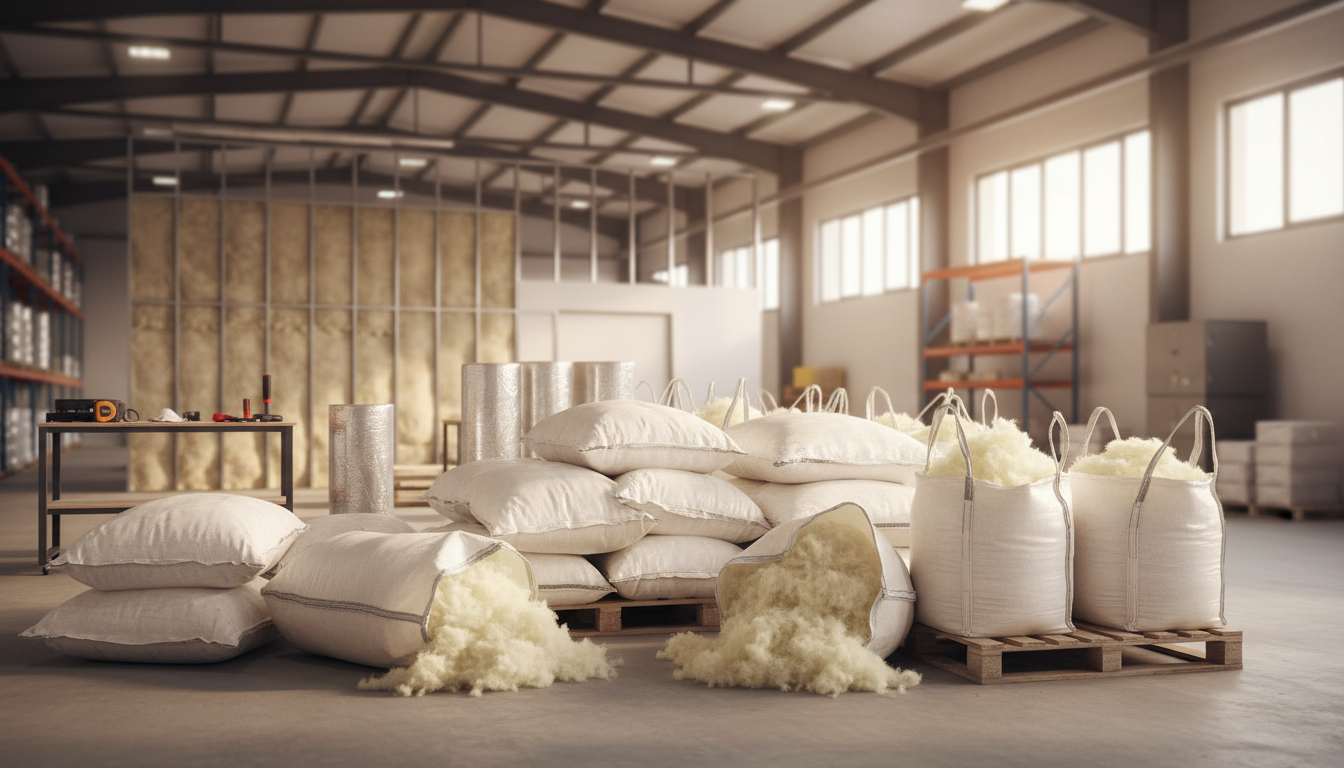
- Loose glasswool: Ideal for attics and retrofit applications where blown-in or poured-in installation is needed. It conforms to irregular cavities and provides an economical way to upgrade older buildings.
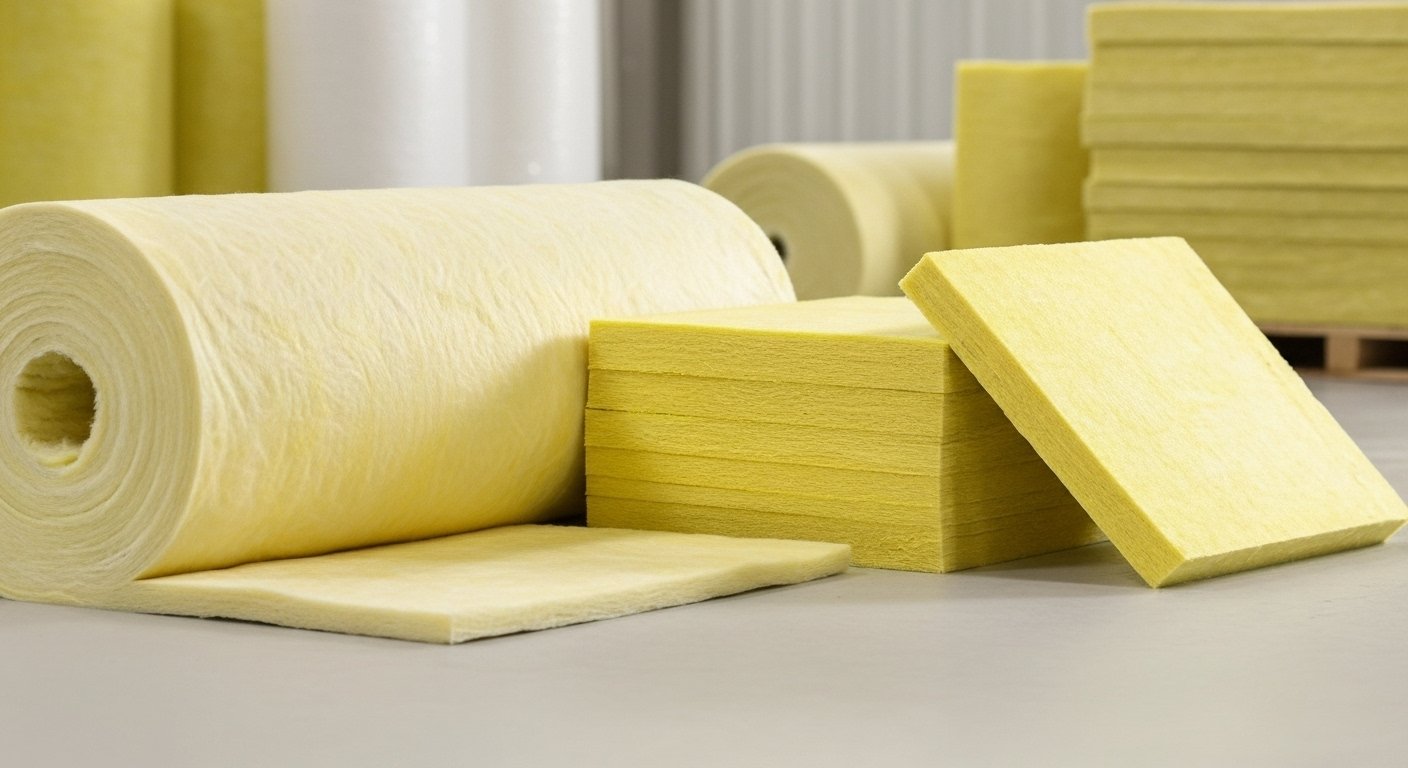
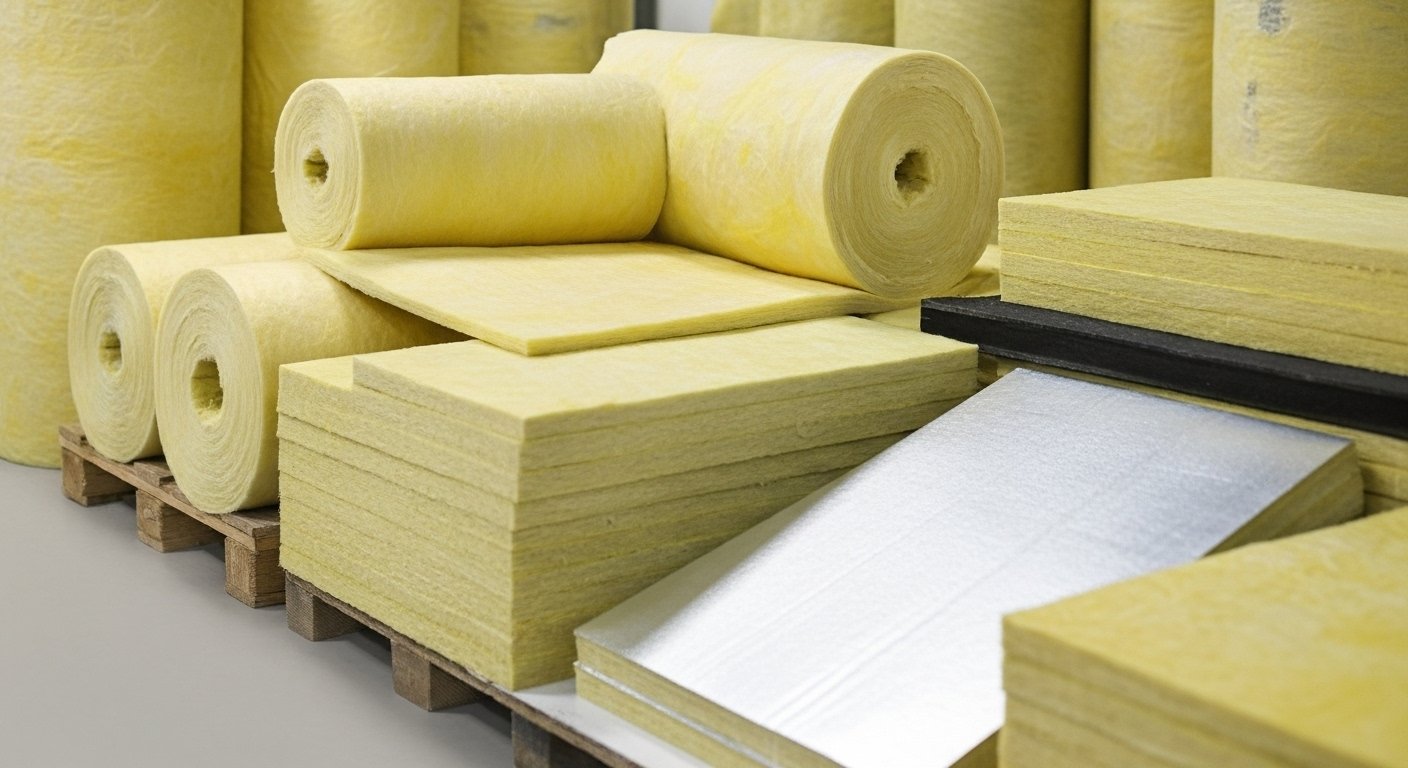
- Glasswool rolls: Continuous blanket insulation for roof decks, duct lining and wall cavities. Rolls are easy to handle, cut to size and install for large coverage areas.
- Glasswool boards: Rigid panels with higher compressive strength, suitable for partitions, HVAC plenum panels and external cladding behind protective finishes.
Technical Specifications & Typical Ranges
Typical thermal conductivity for glasswool ranges between 0.035 and 0.040 W/m·K depending on density and binder type. Standard densities fall between 24 kg/m³ and 96 kg/m³ for boards. Our product lines include different thicknesses — commonly 25mm to 100mm for rolls — allowing accurate selection to meet required R-values for roofs, walls and floors.
Site Installation Best Practices
Proper installation ensures the designed performance. Key tips for installers:
- Avoid compressing batts or rolls — compressed insulation loses R-value.
- Maintain continuous coverage and seal joints to reduce thermal bridging.
- Use suitable vapor retarders in humid climates to prevent condensation.
- Support boards and facings correctly in vertical ducts and partitions.
- Follow manufacturer instructions for mechanical fixing and adhesives.
Acoustic Performance & HVAC Applications
Glasswool is widely specified in HVAC systems for duct lining and acoustic attenuation. Its Noise Reduction Coefficient (NRC) and sound absorption properties make it valuable in reducing mechanical noise, reverberation and airborne sound between rooms. In commercial fit-outs, specifying the correct density and facing ensures long-term acoustic comfort while meeting fire and hygiene requirements.
Sustainability & Environmental Considerations
Glasswool often contains recycled glass, lowering embodied energy and supporting circular economy goals. Newtech emphasizes responsible manufacturing with waste reduction, energy-efficient melting practices and end-of-life recycling options where available. Compared to many alternate insulators, glasswool balances performance with lower resource intensity and a long operational lifespan, making it a sustainable building choice.
Local Supply & City-Specific Support
We maintain regional distribution channels and local stock points to serve fast-moving construction markets. Whether you are searching for glasswool manufacturers in Bangalore, glasswool suppliers in Mumbai or glasswool insulation manufacturers in Salem, our teams coordinate delivery, technical support and installer networks to meet local codes and climate needs. Local inventory reduces lead times and keeps project schedules on track.
Quality Assurance, Testing & Certification
Product test certificates, thermal performance data sheets and fire test reports are provided for every production batch. Architects and consultants receive U-value calculations, product safety data sheets (SDS) and installation guides as part of our specification pack. This documentation helps fast-track approvals and ensures compliance with building regulations.
Case Studies & Typical Use-Cases
Our glasswool solutions have been applied across diverse projects — schools, hospitals, mixed-use towers, cold storage, industrial plants and data centers. Typical outcomes include improved HVAC efficiency, lower energy bills, reduced reverberation in teaching spaces and compliance with sound insulation targets in multi-family housing.
Warranty, After-Sales & Technical Assistance
Newtech offers manufacturing warranties against defects and a responsive after-sales service for product replacement and technical queries. Our technical team provides on-site inspections, R-value verification and troubleshooting to ensure insulation performance throughout the building lifecycle.
Frequently Asked Questions (FAQ)
- Q: How do I choose between loose glasswool and glasswool rolls?
- A: Loose glasswool is best for retrofits and irregular cavities, while rolls are preferred for new construction, large continuous areas and duct lining. Choose based on access, cavity geometry and required R-value.
- Q: Are glasswool products suitable for humid climates?
- A: Yes — with the correct facing and vapor control strategy. Use foil-faced or kraft-faced options when moisture management is required and follow proper detailing to prevent condensation risks.
- Q: Can glasswool improve indoor acoustics?
- A: Absolutely. Glasswool absorbs airborne sound and reduces reverberation, improving speech intelligibility and overall acoustic comfort.
- Q: Where can I get a quotation for a commercial project?
- A: Contact our sales team with project area, target R-values and application type (roof, wall, duct, partition). We will provide competitive bulk pricing, delivery timelines and specification support.
Ready to improve thermal comfort and acoustic performance? Contact Newtech Insulation India today for product samples, technical advice and a tailored quotation. Our teams are available to advise on correct glasswool selection for your project, arrange deliveries and connect you with certified installers.
Request a Quote
Contact Sales